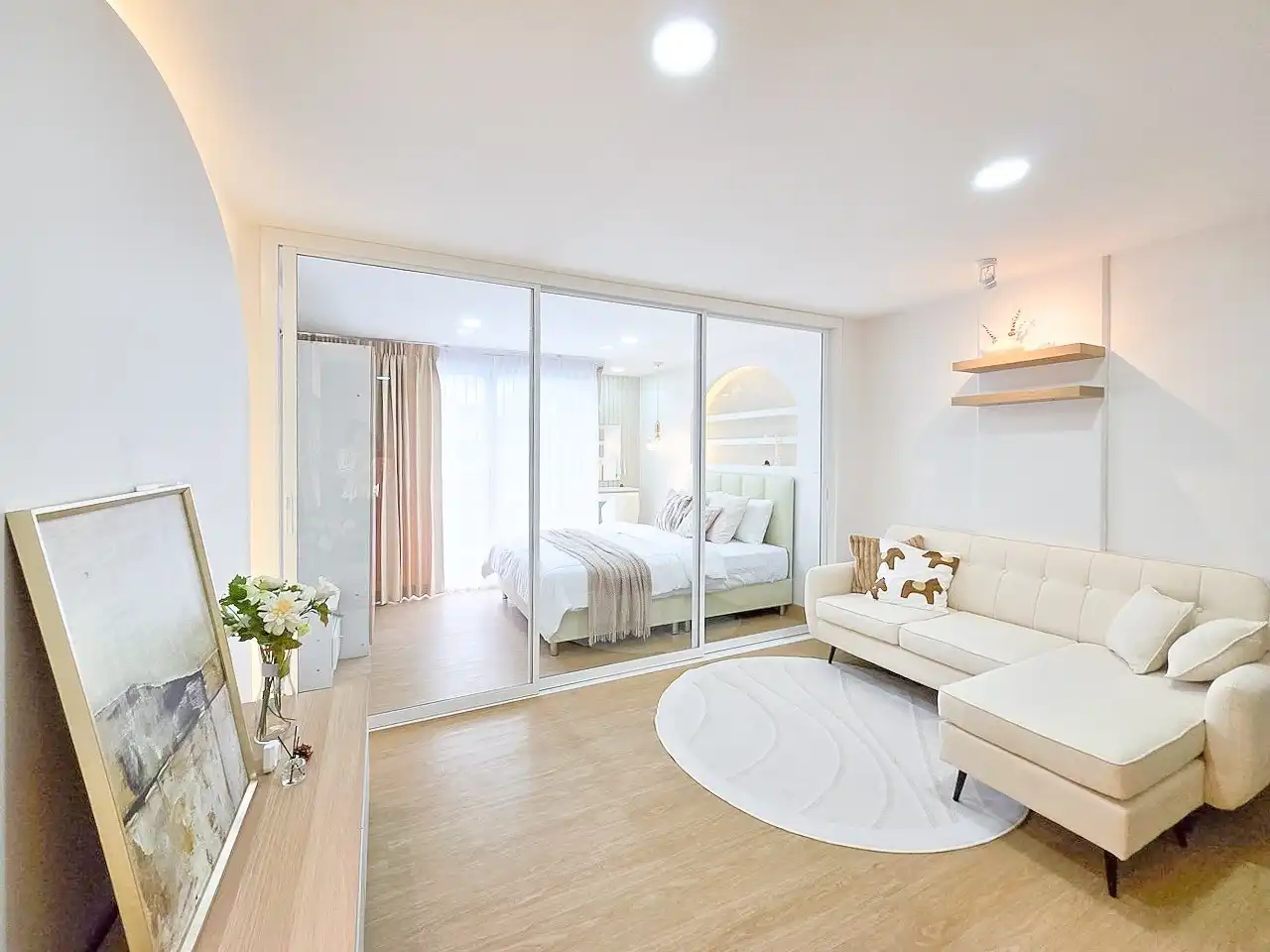
Biophilic Design: Connecting Nature and Interiors for Well-being
In a fast-paced, urbanized world, the yearning to reconnect with nature has become more prominent than ever. Biophilic design—a concept that integrates natural elements into built environments—is emerging as a powerful approach to improve human well-being, creativity, and productivity. It is more than just a trend in architecture and interior design; it is a return to our innate need to be close to nature.
What is Biophilic Design?
Biophilic design is rooted in the idea that humans have an inherent connection to the natural world. Coined from the term “biophilia,” which means “love of life and living systems,” this design philosophy incorporates nature into our everyday spaces—homes, offices, schools, and public buildings—through direct, indirect, and spatial experiences.
This can include natural light, ventilation, greenery, water features, organic materials, and even shapes and patterns inspired by nature. The goal is to create environments that not only look beautiful but also promote physical and emotional health.
Benefits of Biophilic Design
- Improved Well-being: Exposure to natural elements reduces stress, lowers blood pressure, and improves mood. People tend to feel calmer and more content in biophilic spaces.
- Enhanced Productivity: Studies have shown that workplaces with natural light, plants, and views of greenery can increase focus, creativity, and productivity among employees.
- Better Air Quality: Incorporating plants and natural ventilation can purify indoor air, reducing toxins and allergens that often accumulate in enclosed spaces.
- Stronger Connection with Nature: Especially in urban settings, biophilic design helps bridge the gap between people and the natural environment, fostering a deeper appreciation and awareness of the world around us.
How to Incorporate Biophilic Design
- Use of Natural Materials: Wood, stone, bamboo, and other organic materials add warmth and texture to a space.
- Indoor Plants: From small potted plants to vertical gardens, greenery breathes life into interiors.
- Natural Light: Maximize daylight through large windows, skylights, or open layouts to enhance mood and reduce reliance on artificial lighting.
- Nature-Inspired Patterns: Include shapes and motifs that mimic natural forms—like waves, leaves, or honeycombs—in textiles, wallpaper, or architectural details.
- Water Elements: Fountains, aquariums, or even subtle water sounds can have a calming, meditative effect.
Conclusion
Biophilic design is not merely aesthetic—it is a vital tool for promoting wellness in the spaces we inhabit. By thoughtfully connecting interiors with the rhythms and elements of the natural world, we foster environments that nourish both body and soul. As we look toward the future of sustainable, human-centered design, biophilic principles offer a path to healthier, happier living.